Day 3: Monacobreen and Jotunkjeldene
| Date: | 03.07.2025 |
| Position: | 79°31.5’N / 012°29.8’E |
| Wind: | E5 |
| Weather: | Partly cloudy |
| Air Temperature: | +11 |
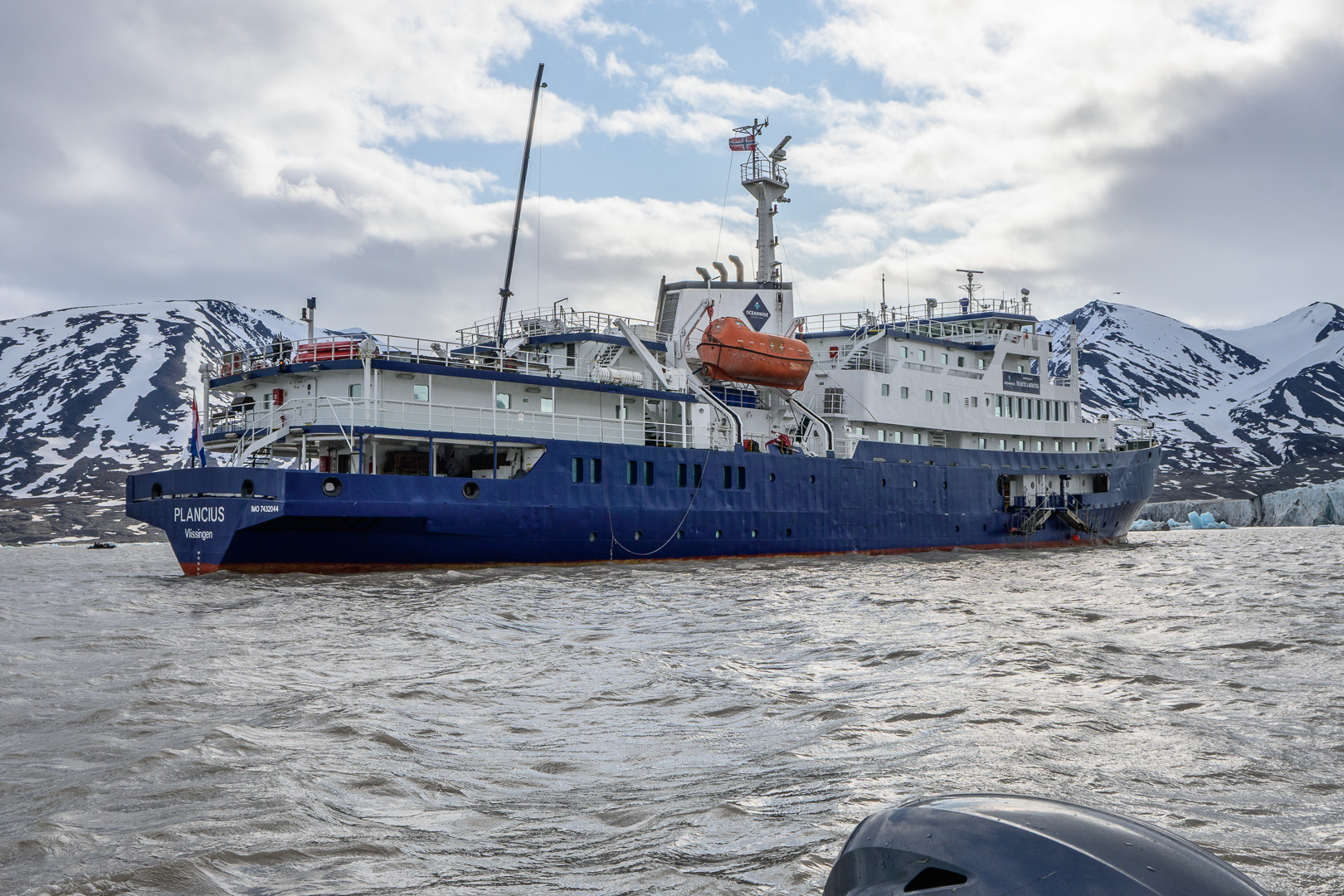
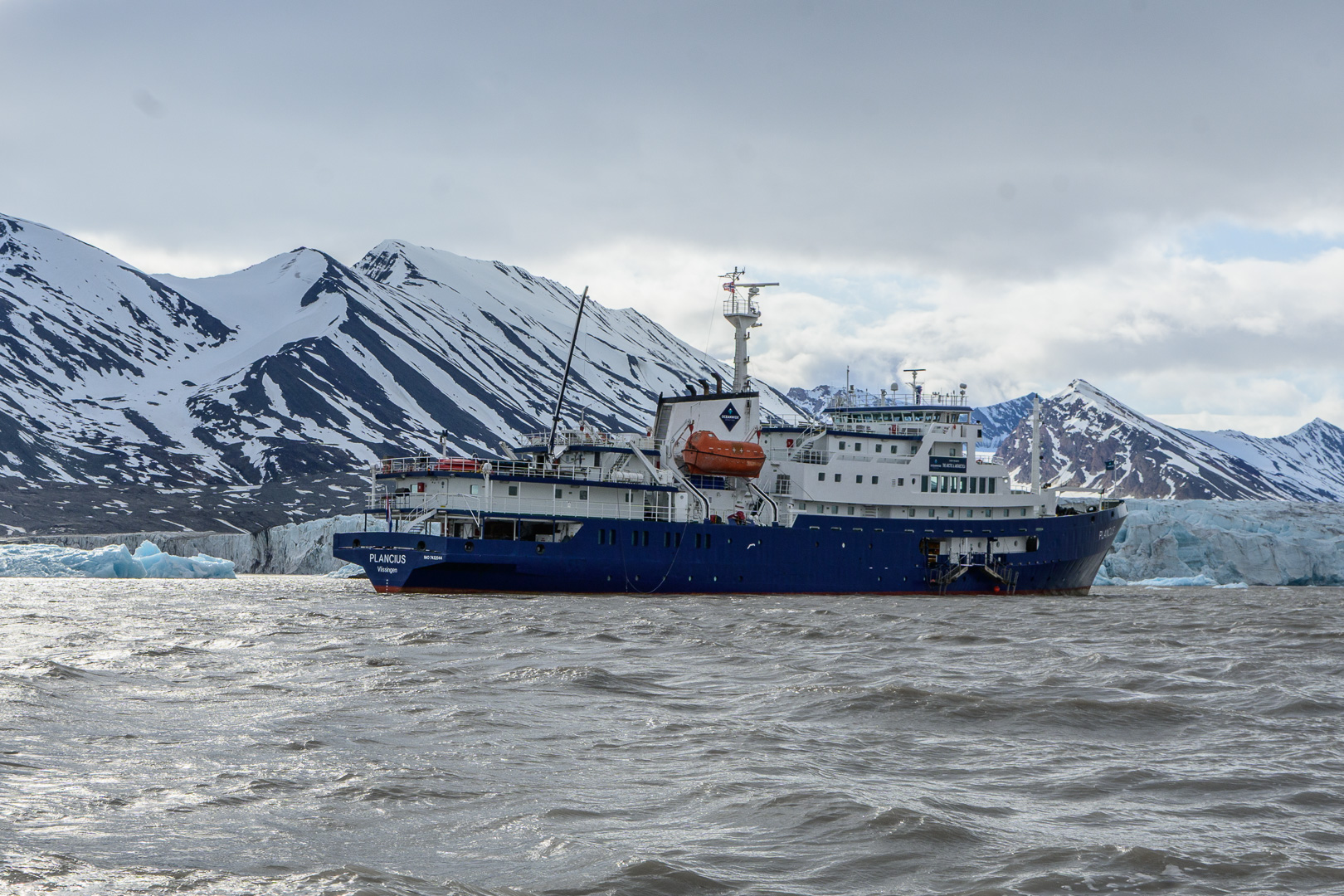
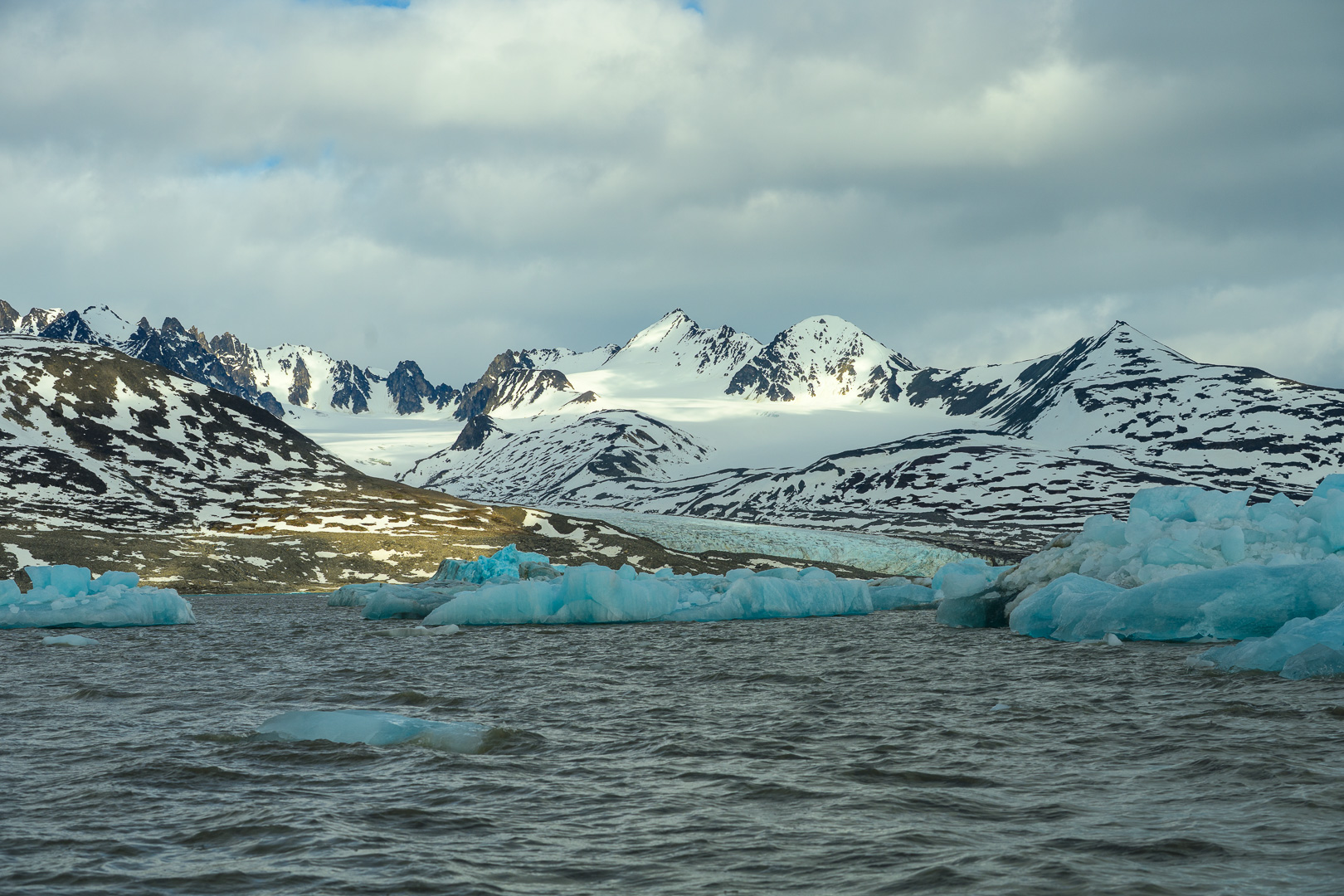
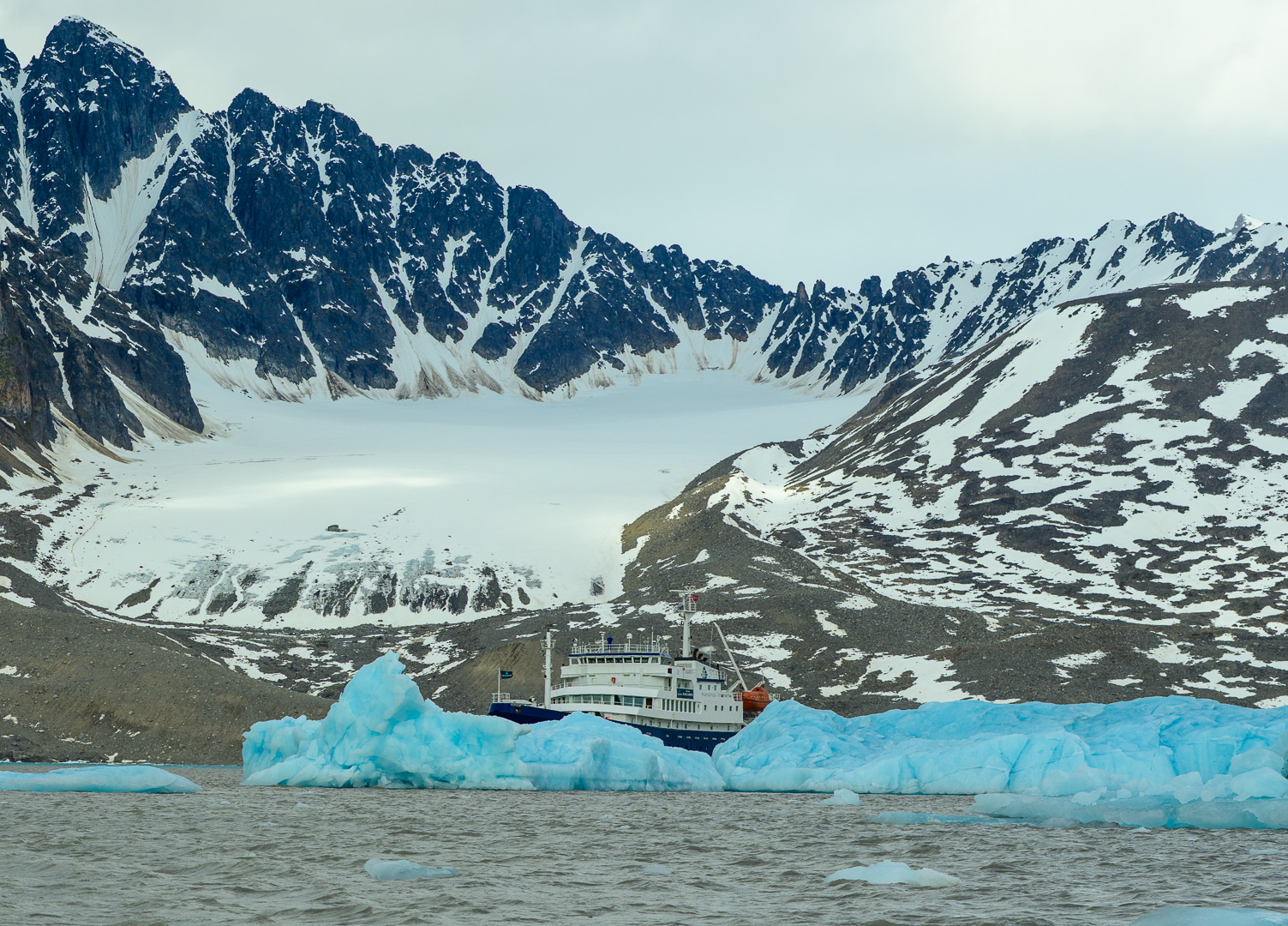
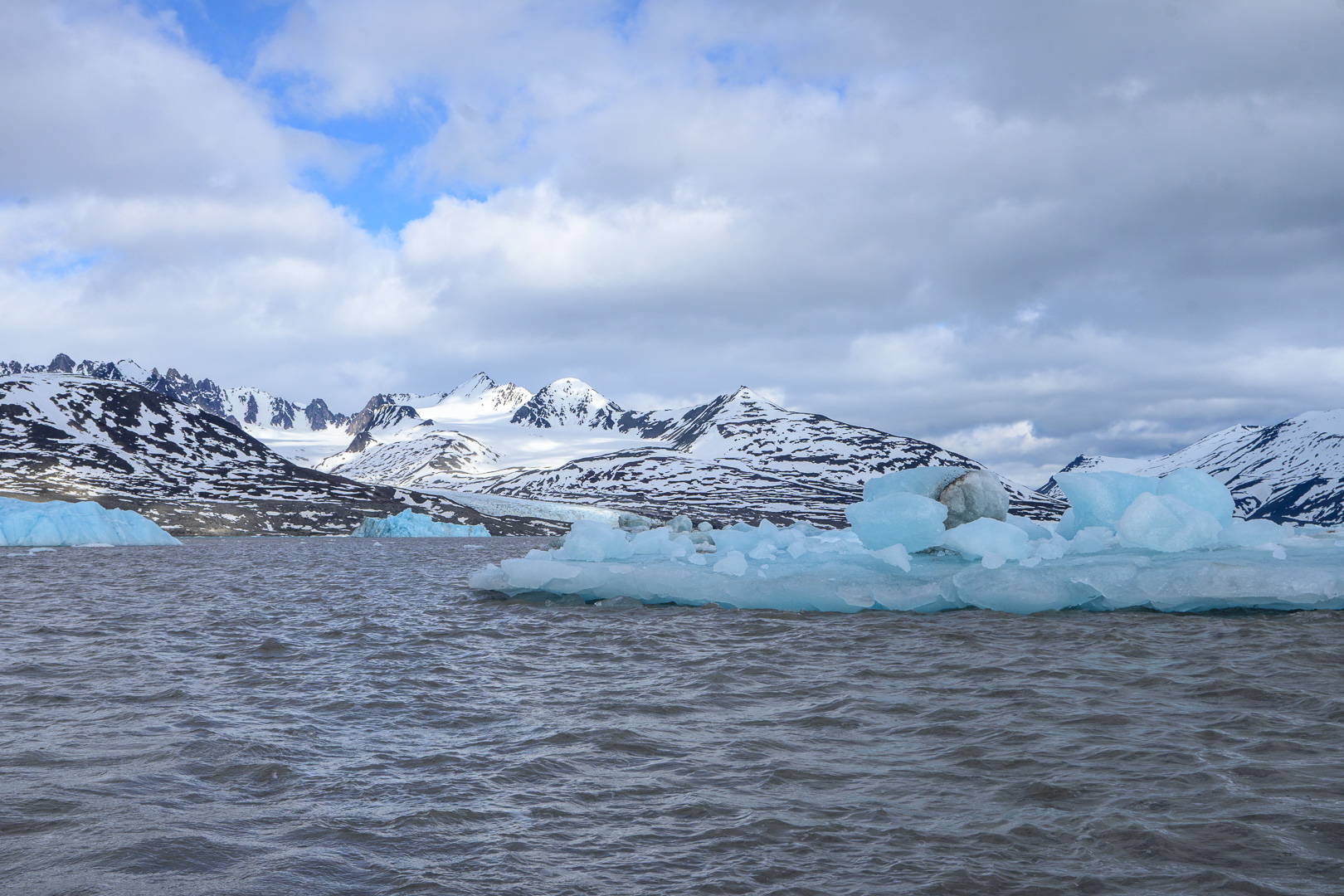
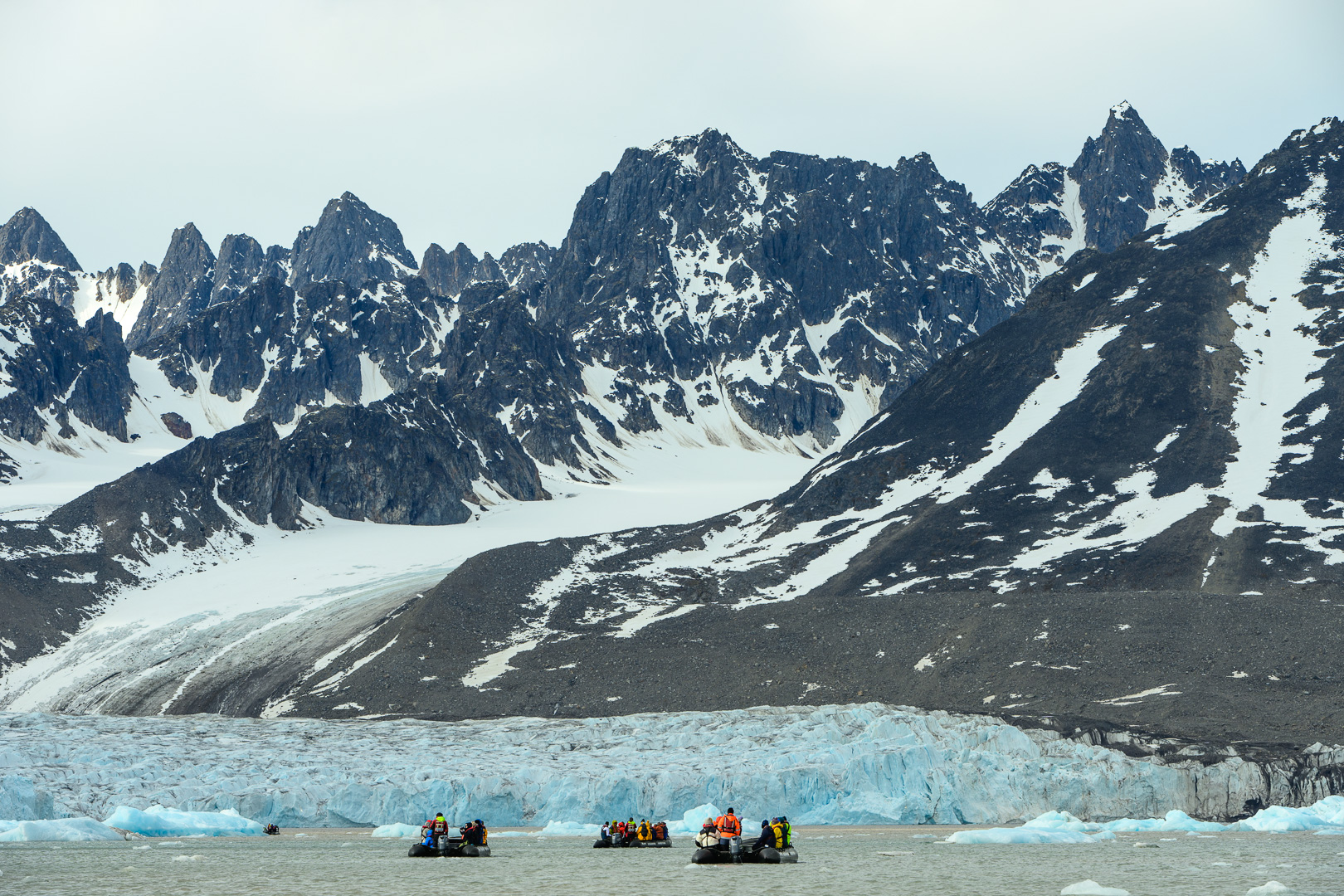
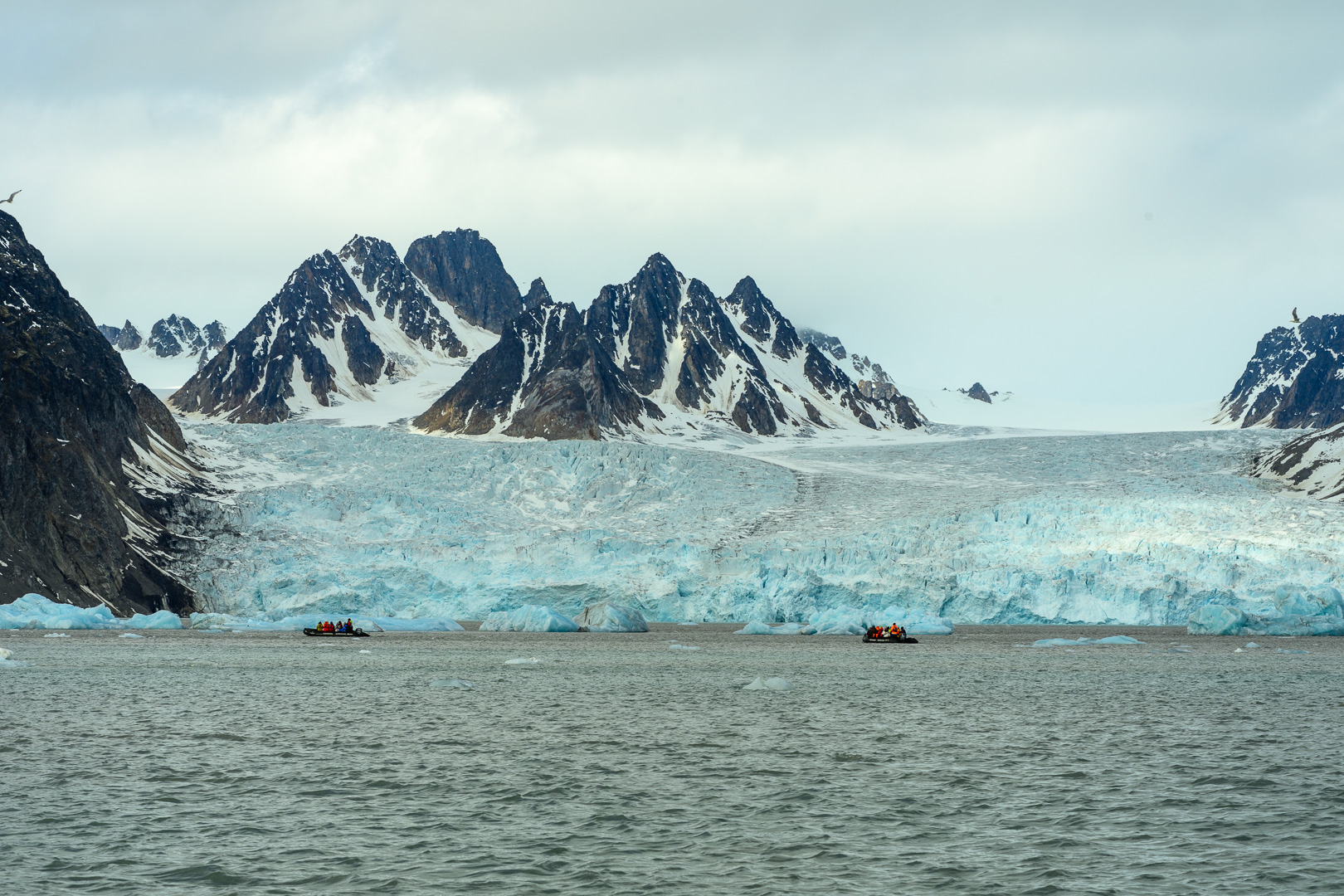
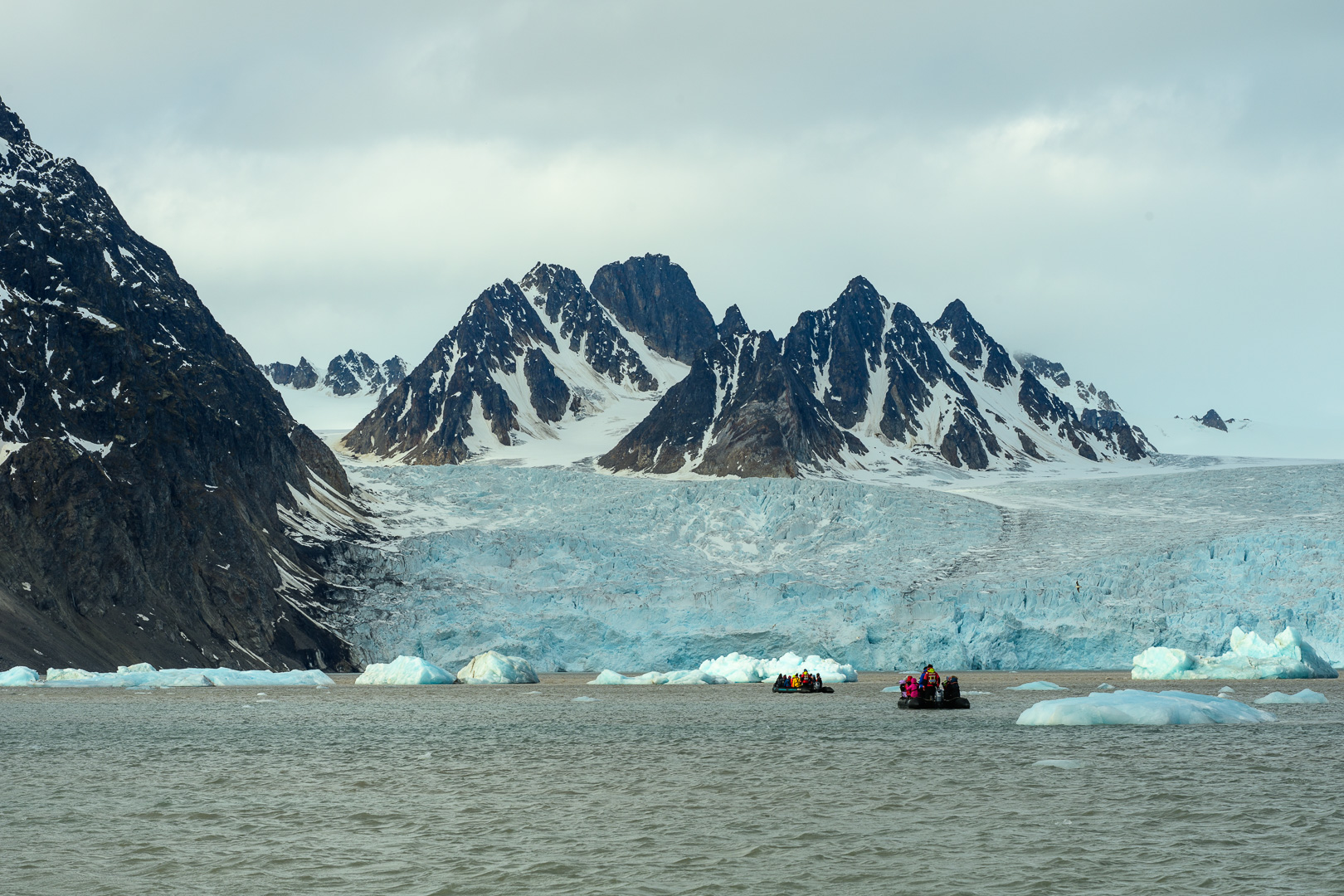
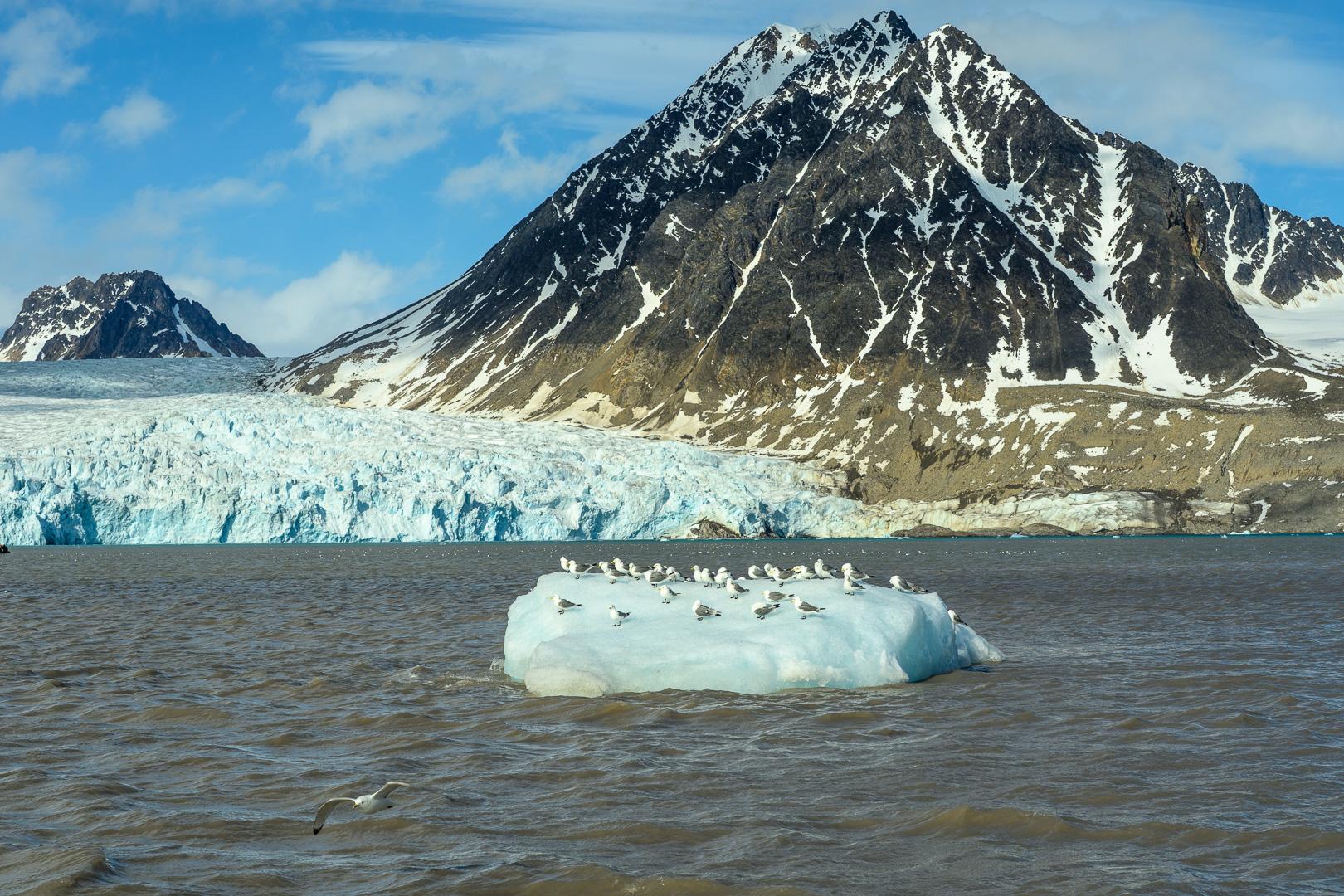
Early risers gathered on deck, braving the strong winds. The surrounding landscape was simply too stunning to stay in bed. Snow-covered mountain slopes rose steeply on all sides, forming an artistic pattern of vertical black-and-white stripes.
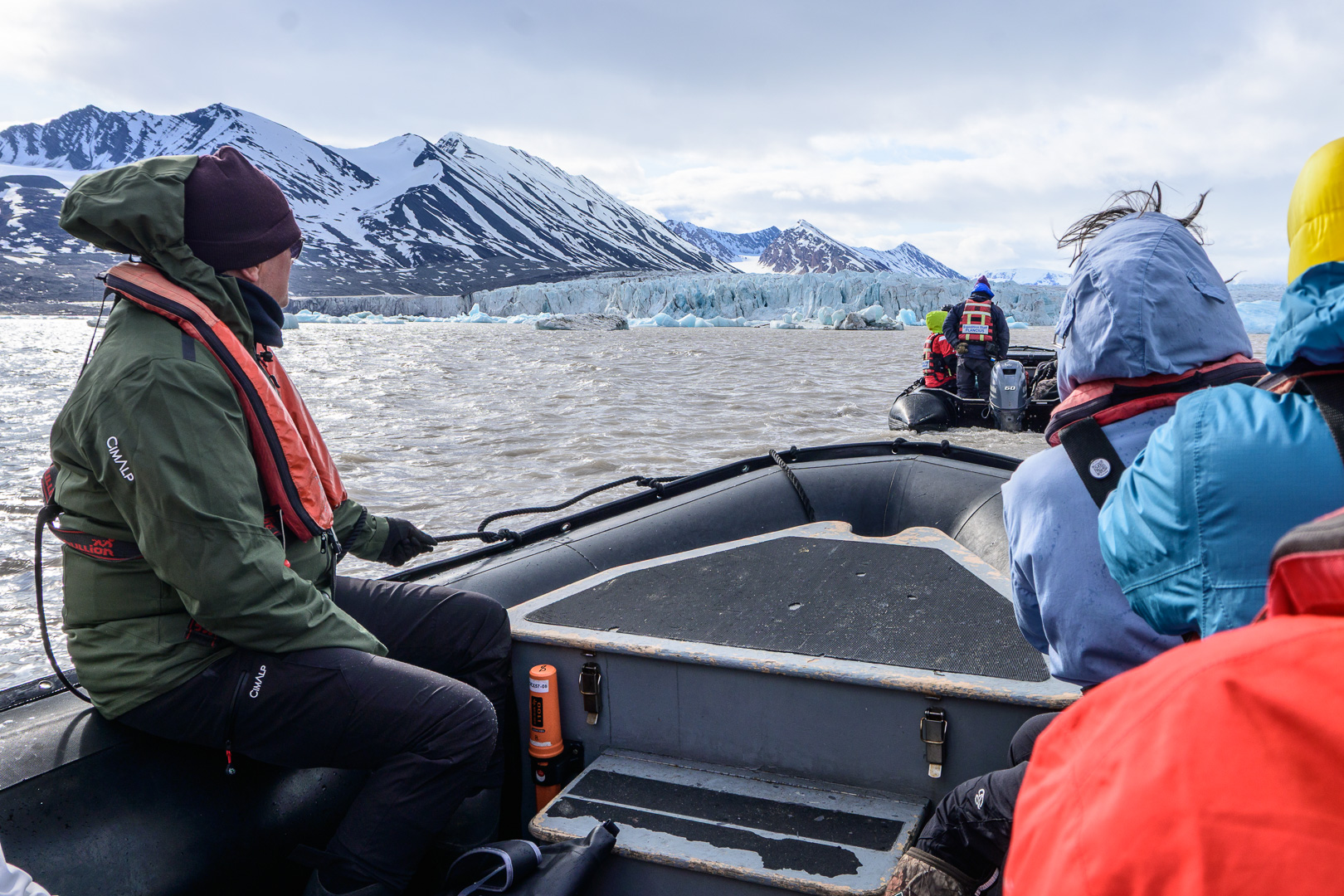
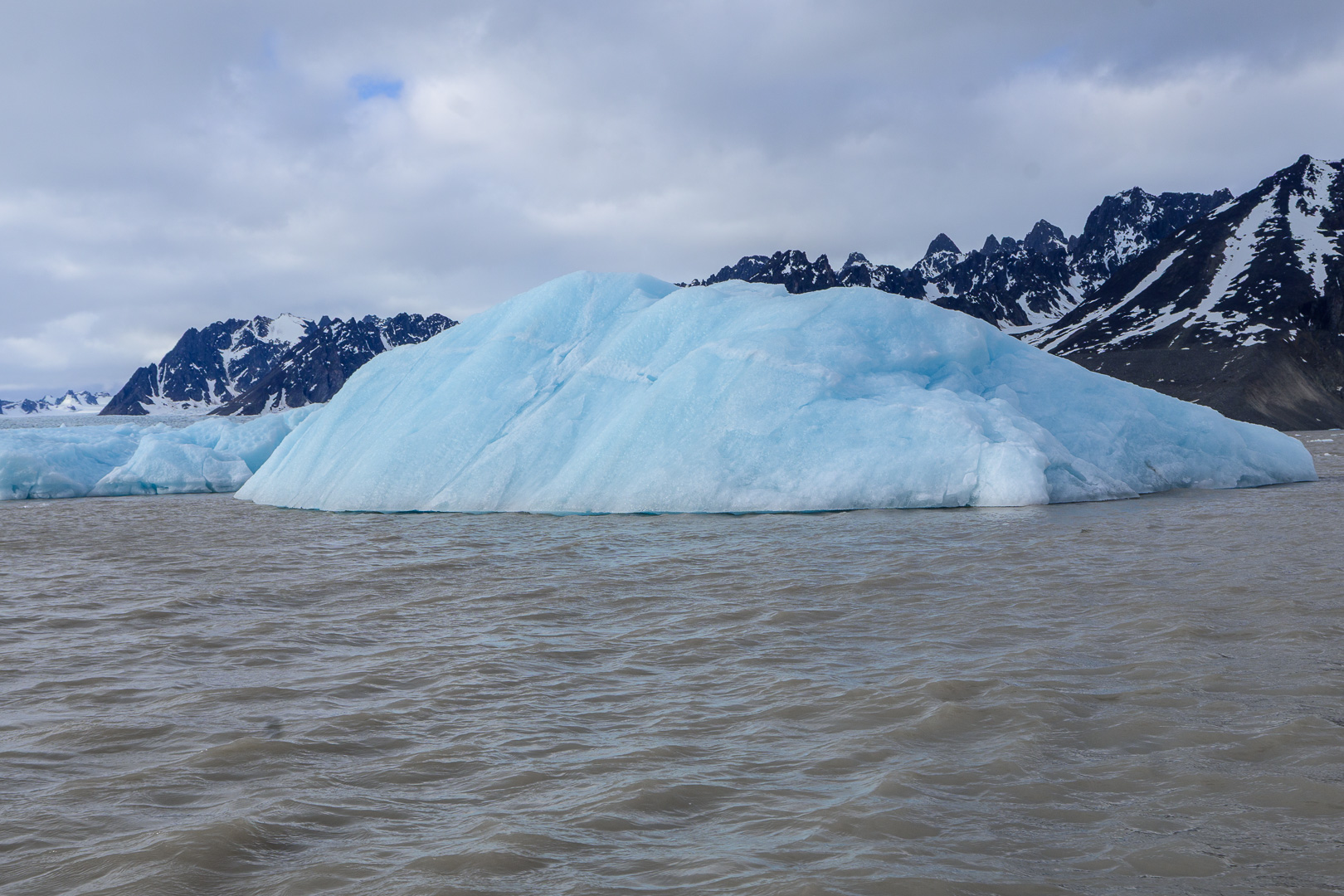
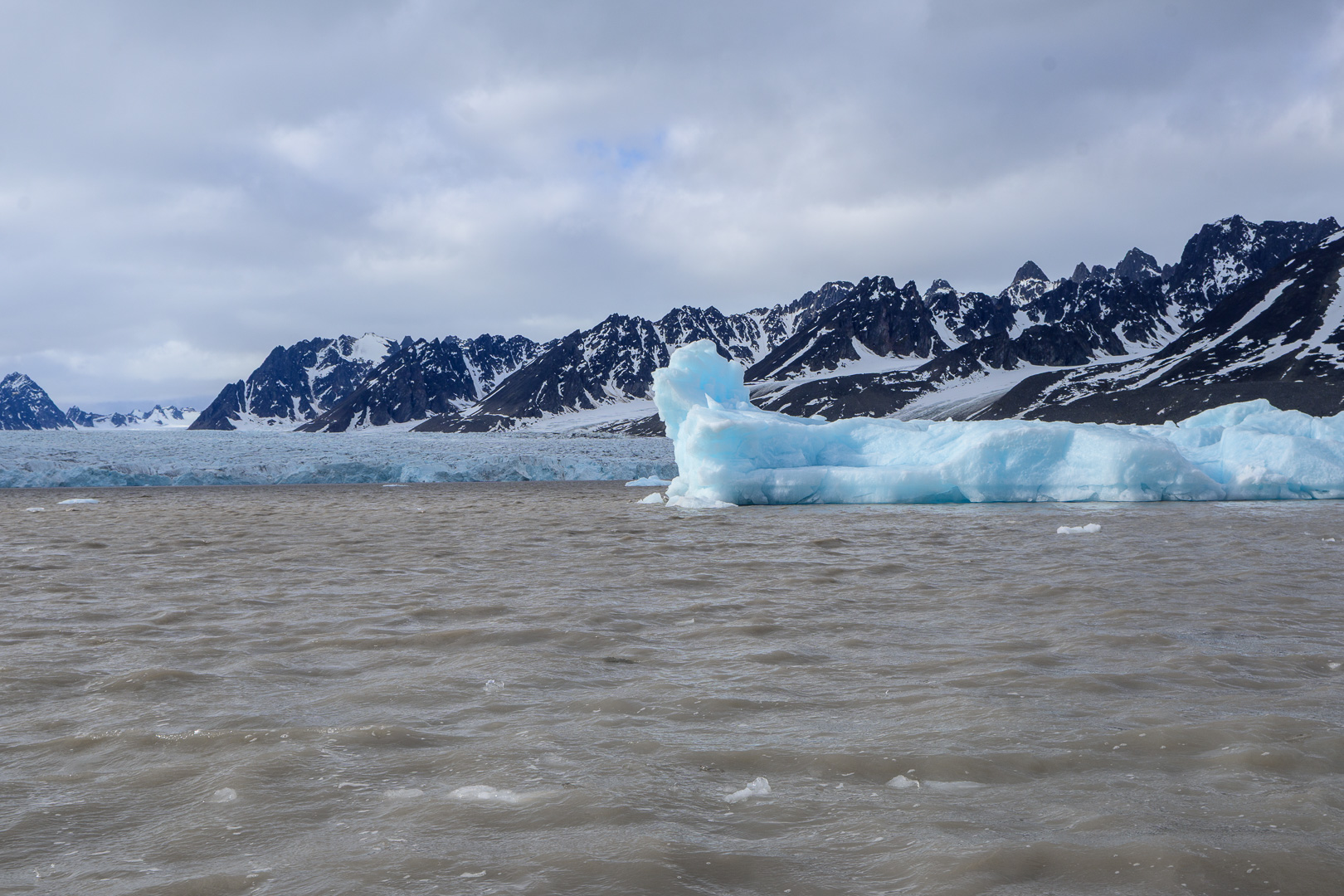
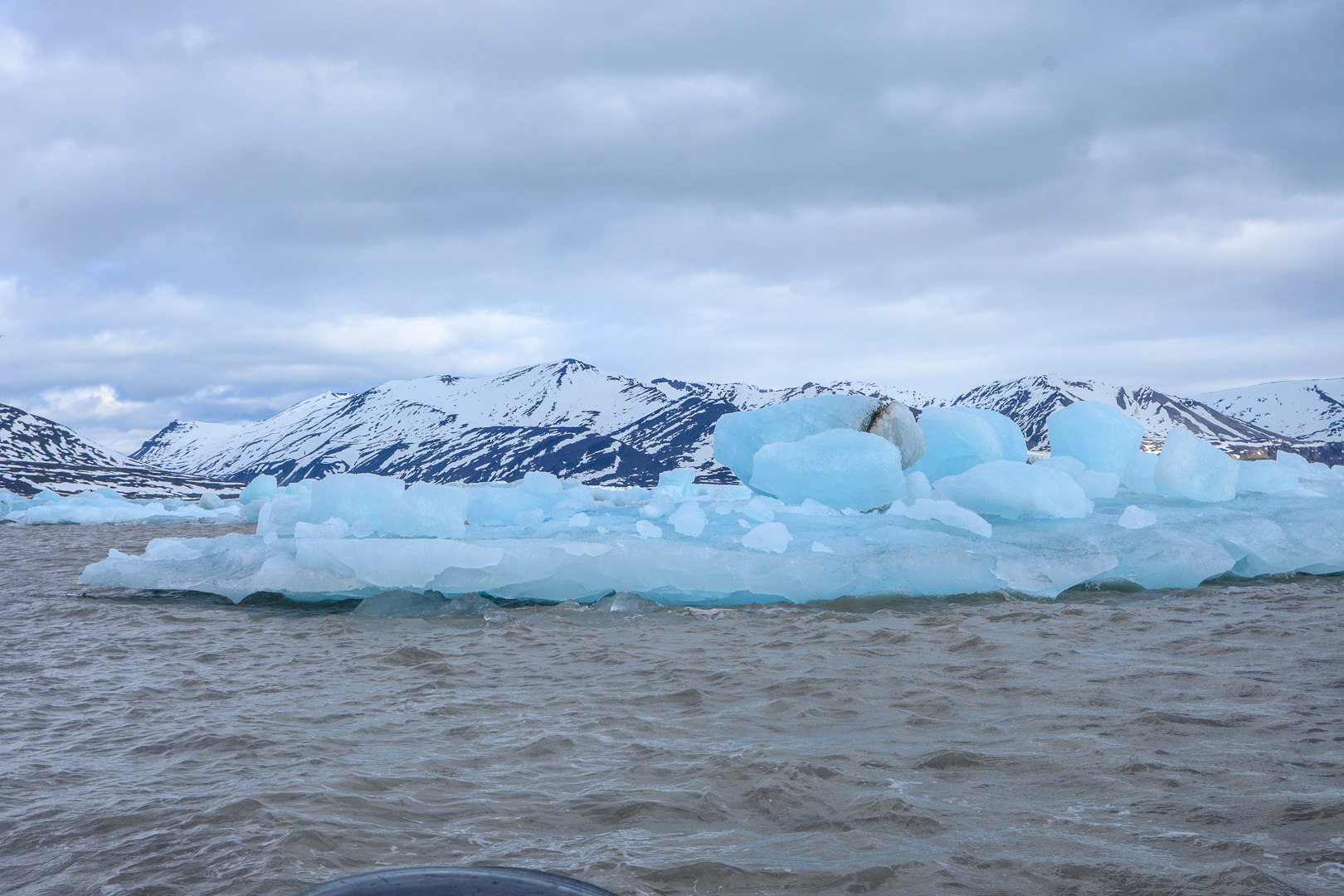
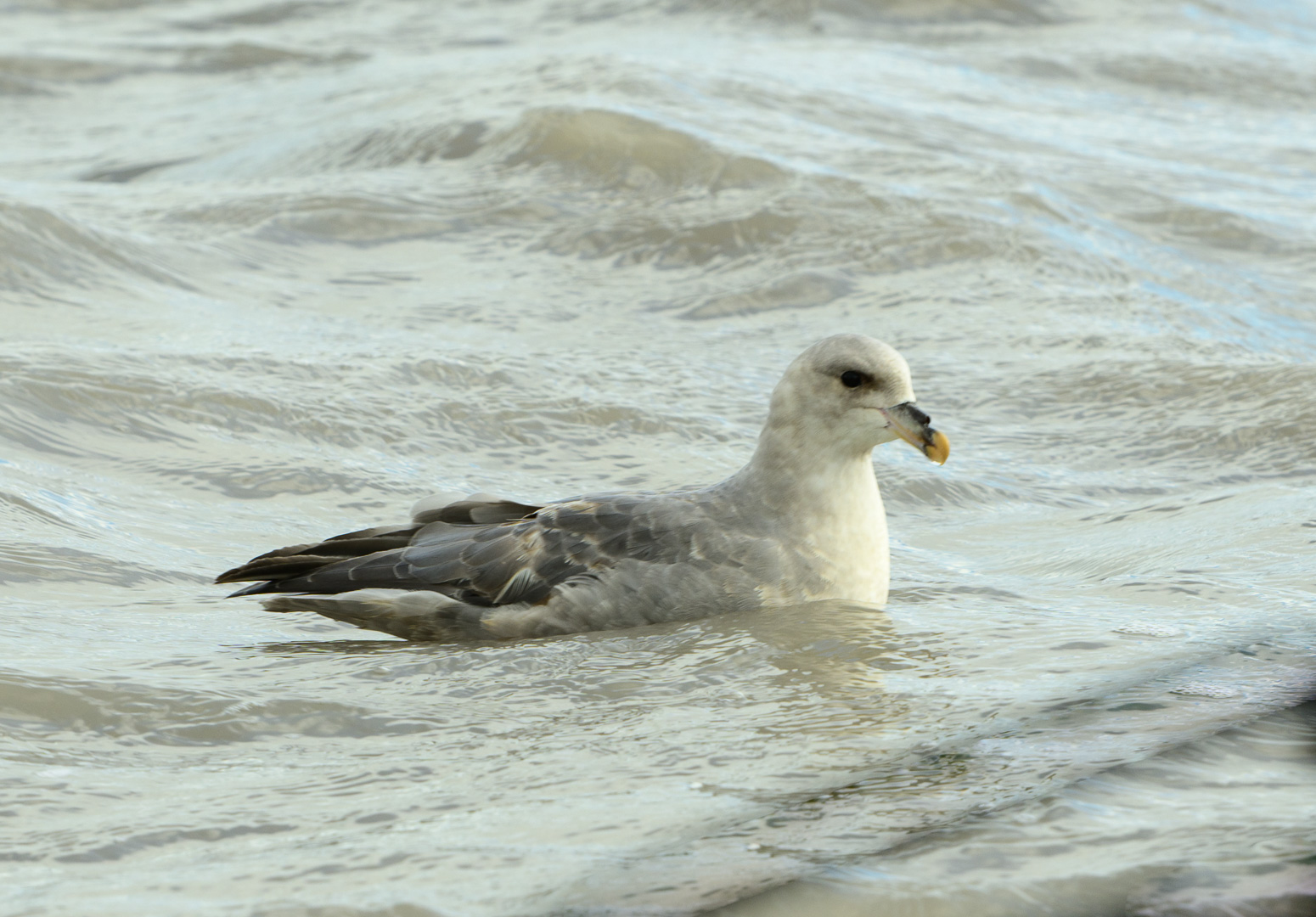
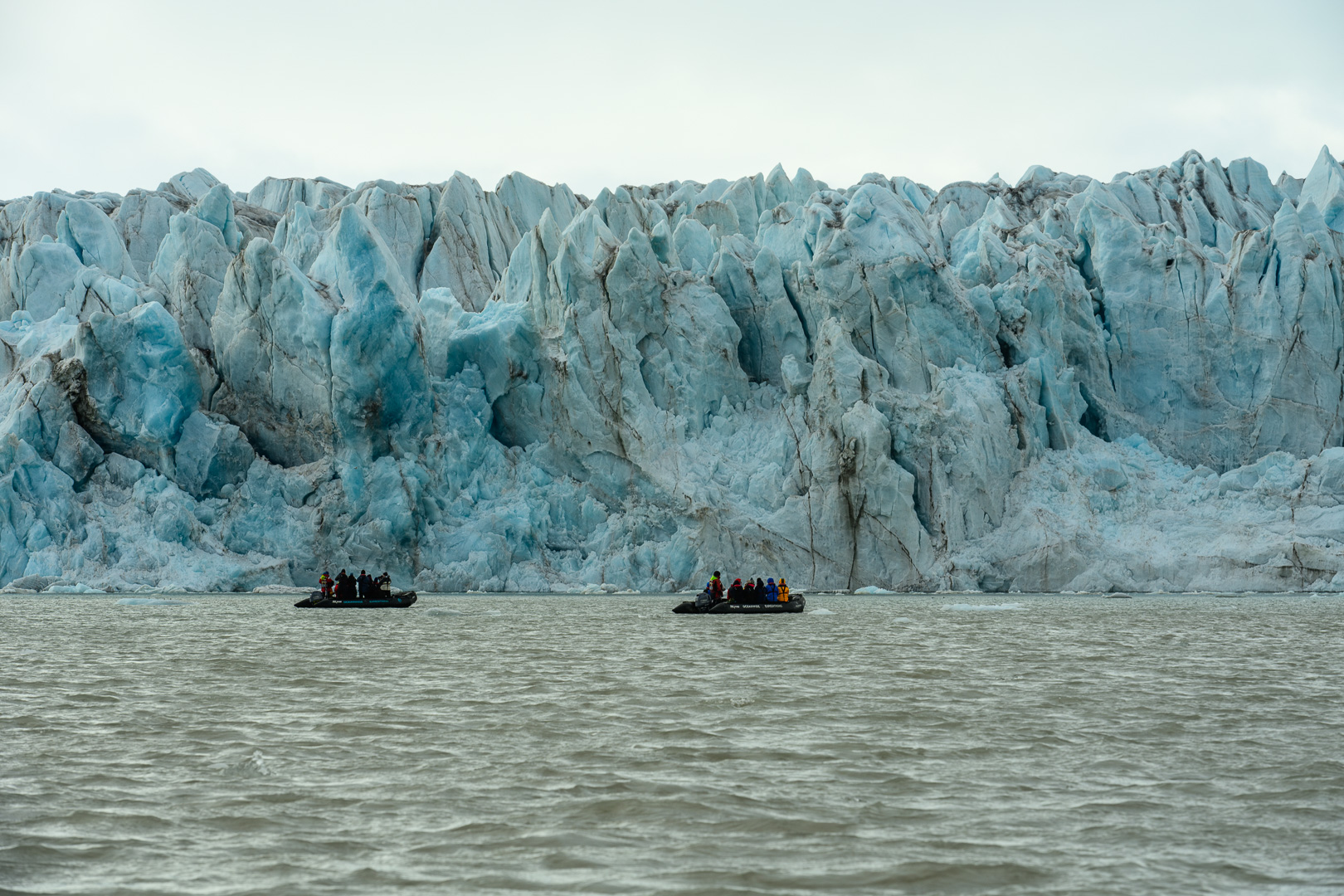
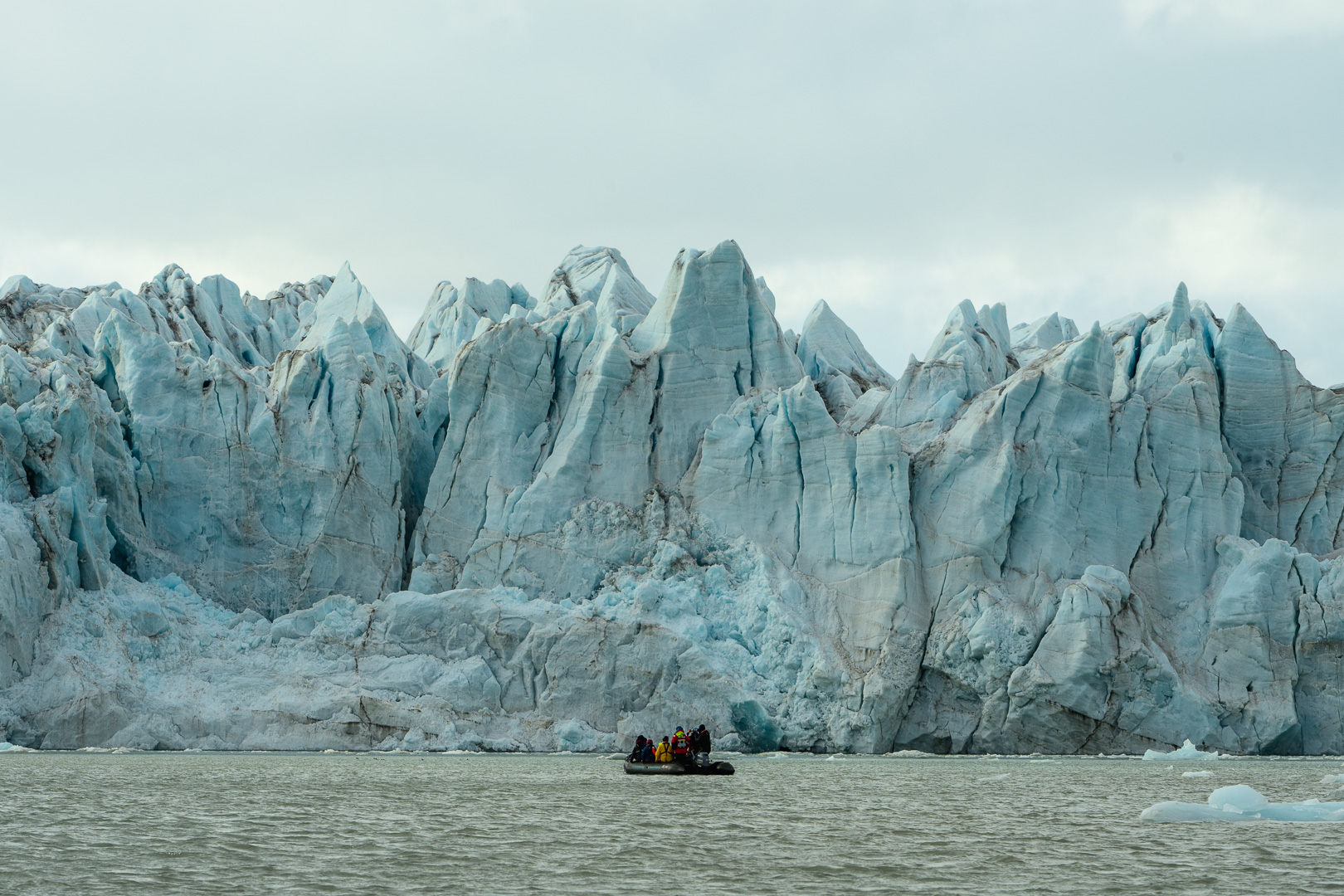
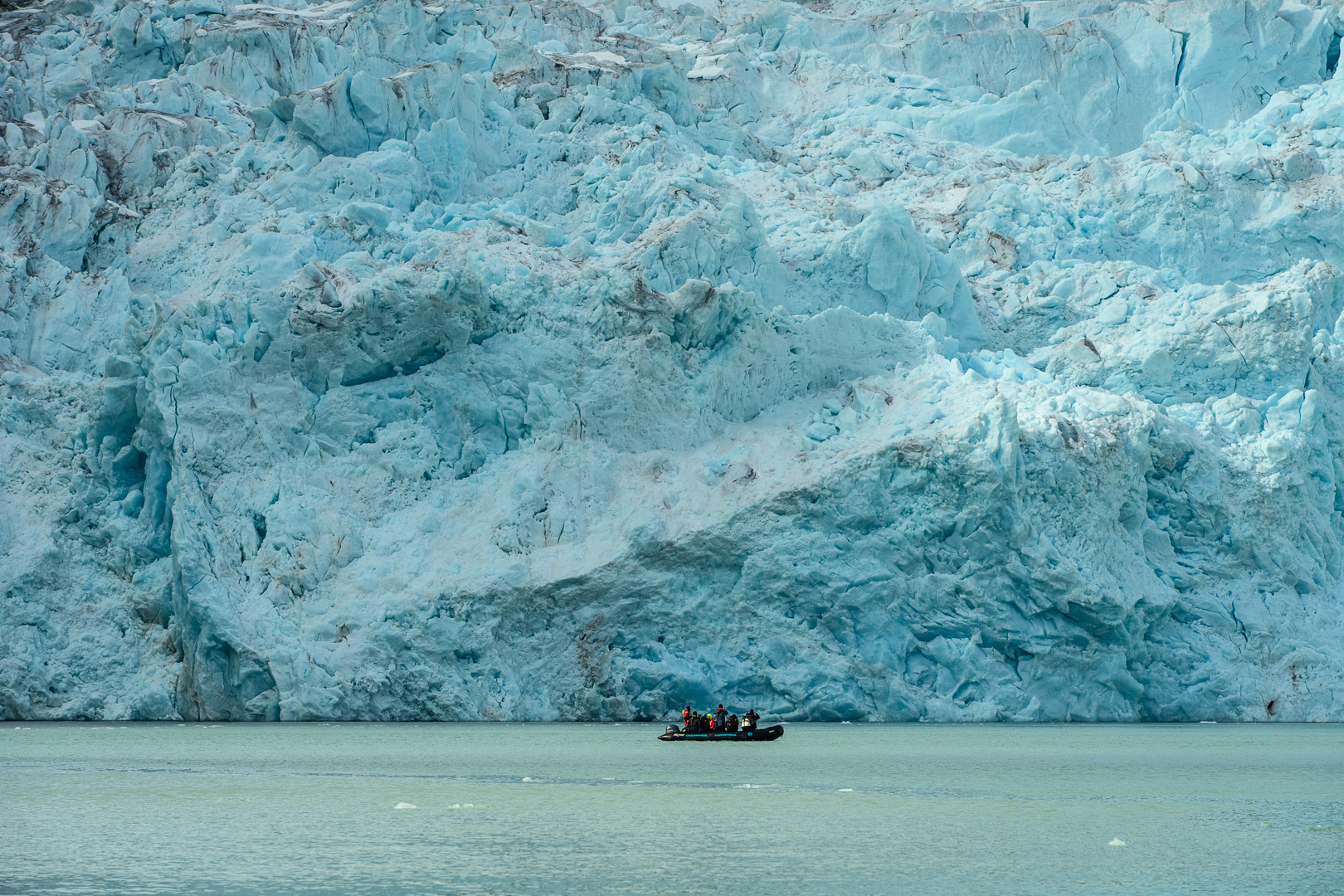
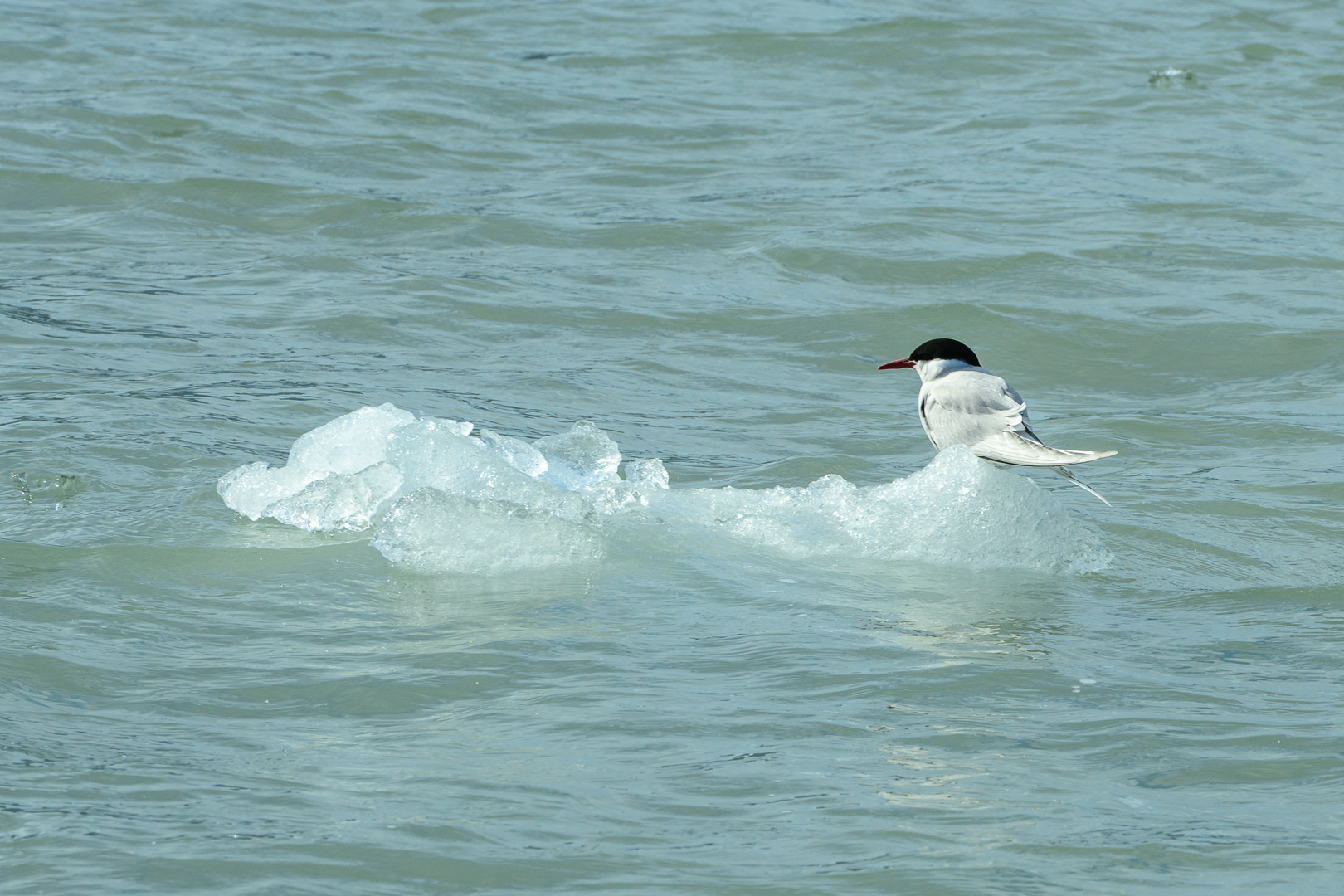
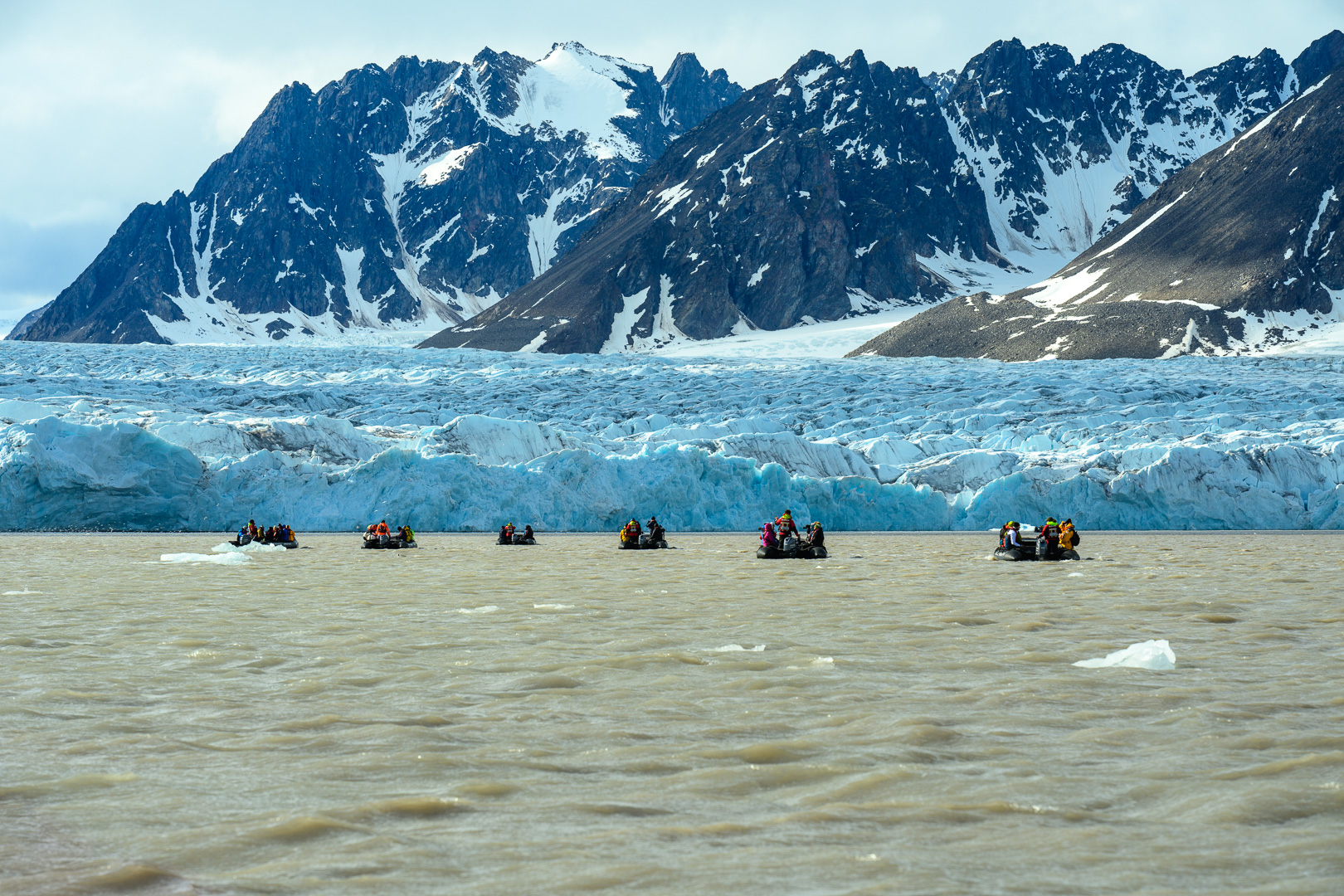
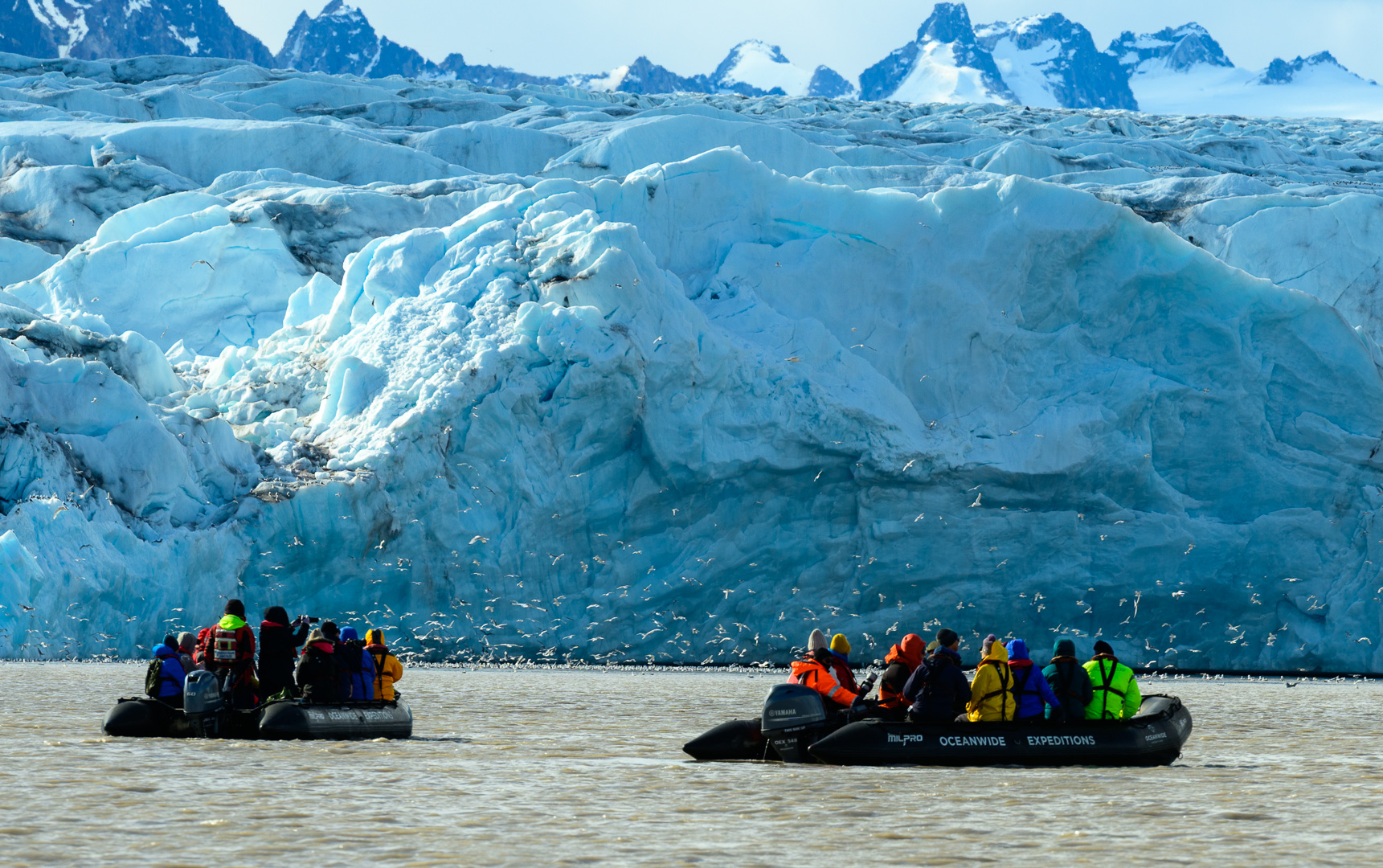
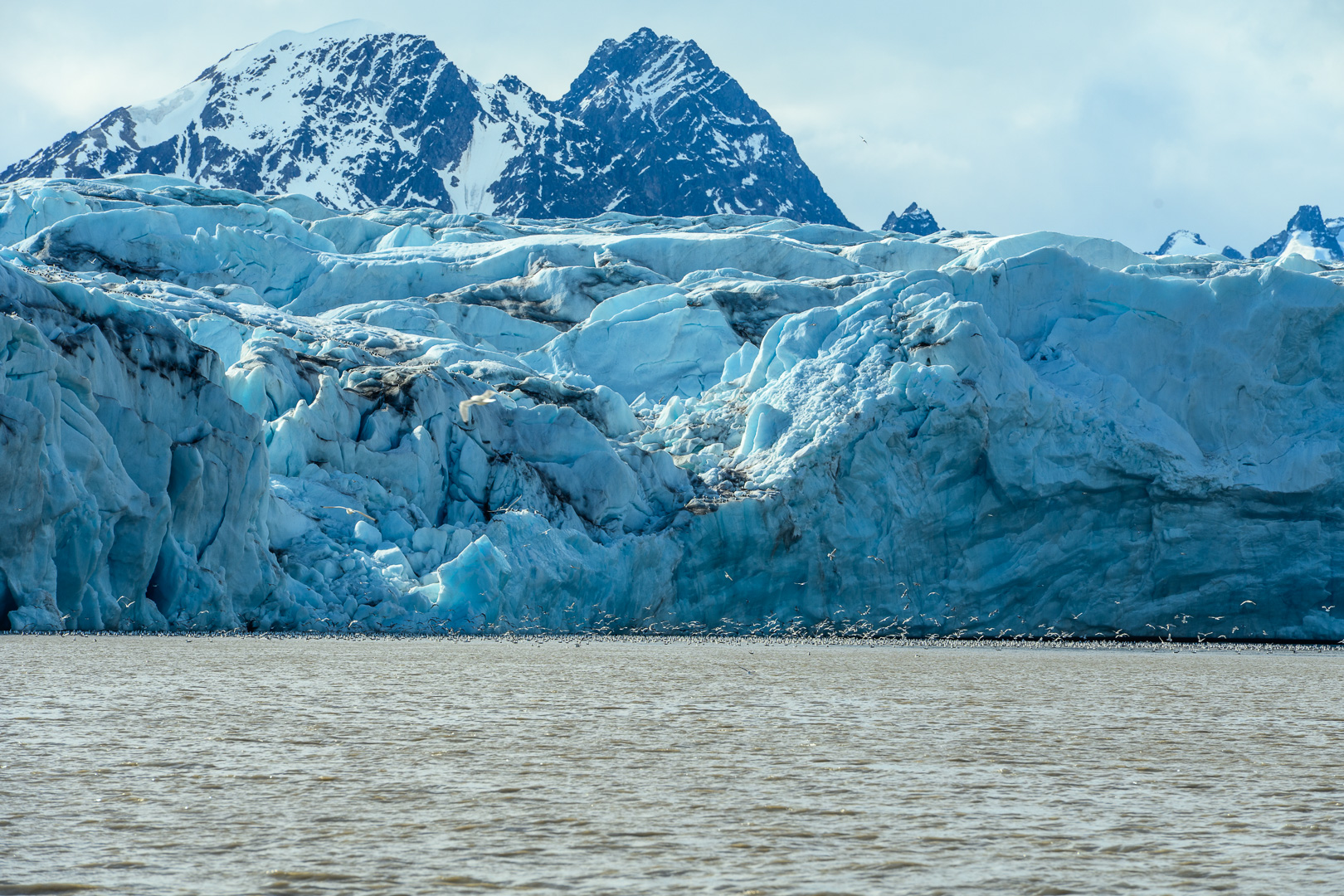
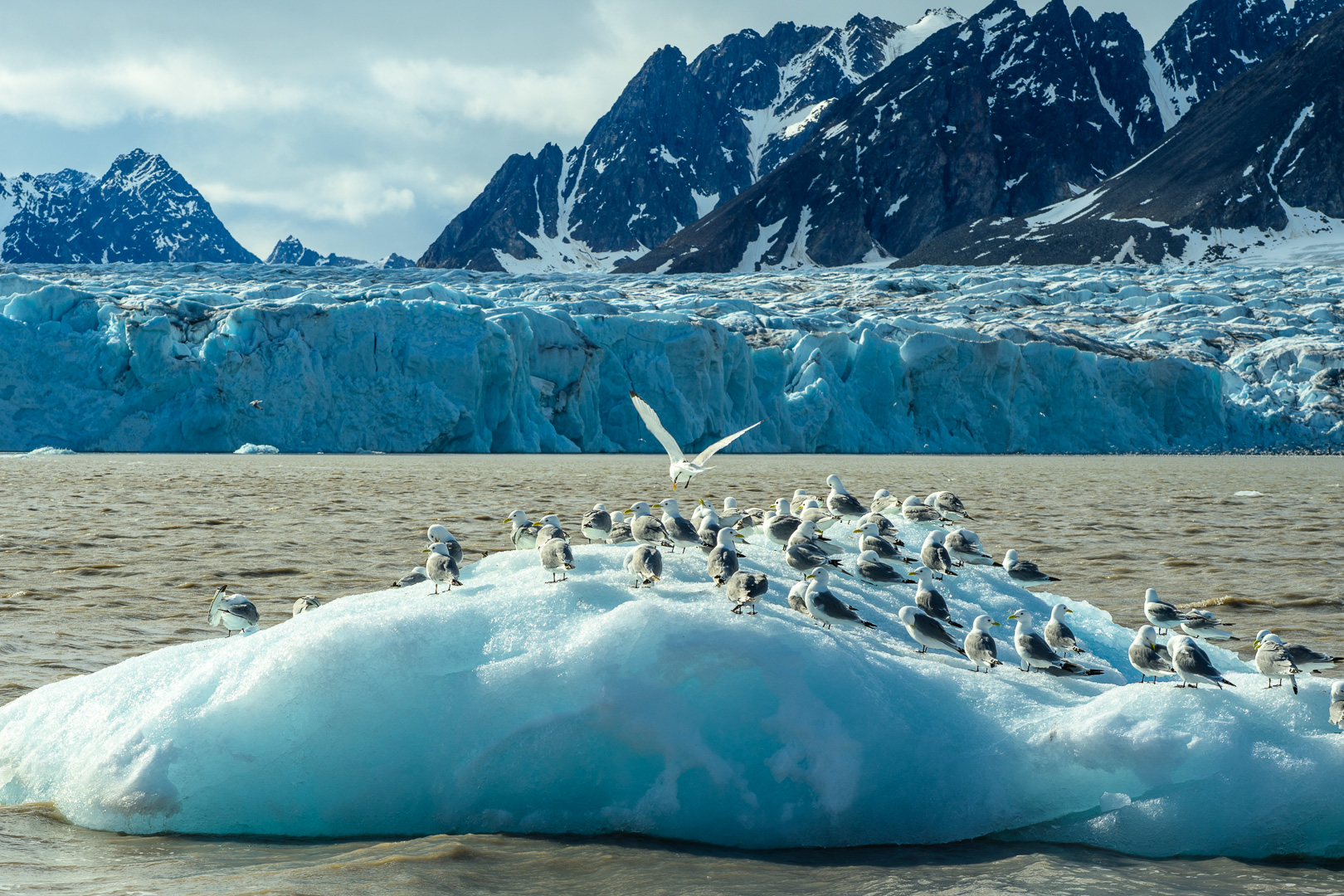
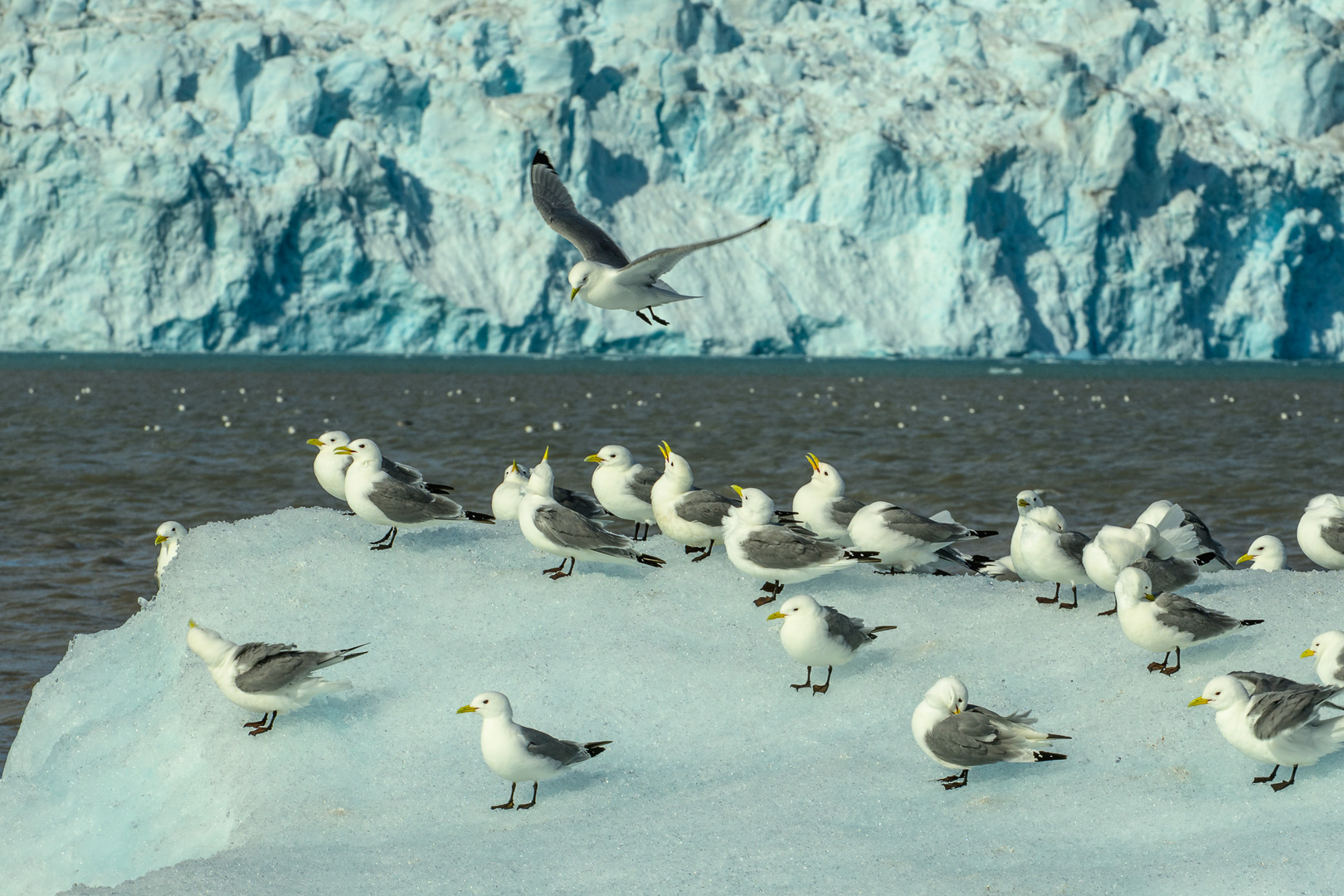
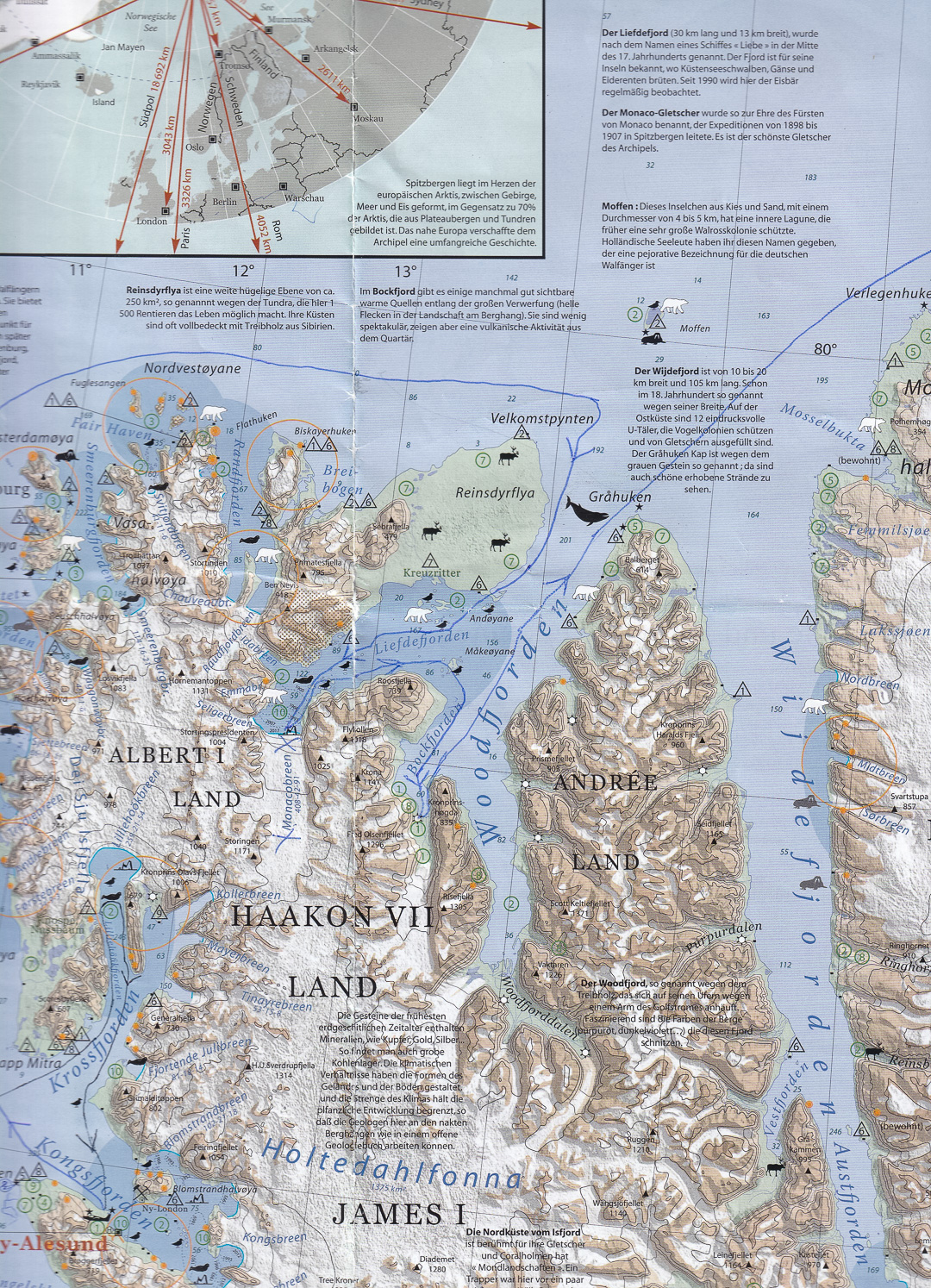
The Monacobreen, named after Duke Albert I of Monaco, stretches over 5 km across and extends 43 km inland. As we cruised in the Zodiacs along the glacier’s jagged front, marked by narrow and wide vertical cracks, we spotted groups of resting kittiwakes and Arctic terns, along with the large and striking fulmar—beautiful, photogenic birds. An intensely blue, glowing iceberg also caught our attention. The cruise ended at the contrasting face of Seligerbreen, a smaller glacier that, until just a decade ago, was still connected to Monacobreen. The effects of a warming climate are visibly taking their toll.
Plancius relocated to our afternoon destination in Bockfjorden. The sea remained calm, making it easy to shuttle ashore and land on a beach strewn with rounded rocks. The ground was carpeted with blooming mountain avens (Dryas octopetala), their white flowers acting like tiny parabolic dishes, focusing sunlight to retain warmth. We began hiking. The higher we climbed, the more flowering plants we found: alpine bistort (Polygonum viviparum), rosy hairy lousewort (Pedicularis hirsuta), and countless white Arctic bell-heather (Cassiope tetragona). Thanks to the eagle-eyed vision of one guest, we even spotted a nesting ptarmigan.